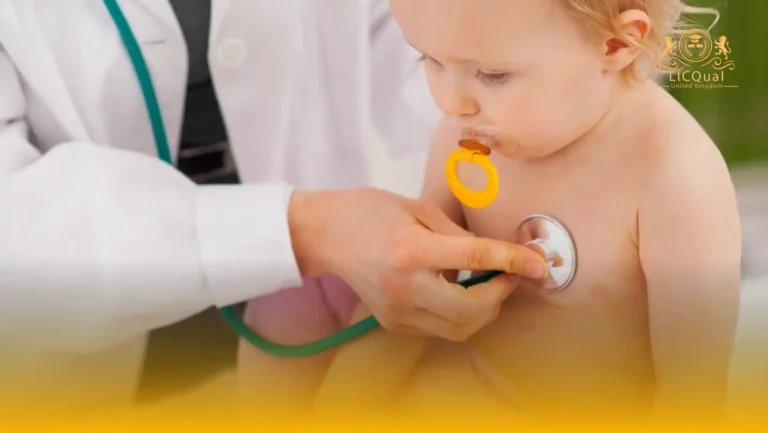

The LICQual Level 3 Certificate in Pediatric Nutrition and Feeding (Cert Pediatric Nutrition) is a specialised qualification designed for professionals seeking to advance their expertise in the nutritional care and feeding of infants and children. This course equips learners with the knowledge, practical skills, and evidence-based understanding necessary to support healthy growth and development in paediatric populations. It is ideal for healthcare practitioners, nutritionists, dietitians, childcare specialists, and other professionals involved in child health and nutrition.
By completing this qualification, learners will enhance their career prospects, broaden their professional knowledge, and strengthen their Continuing Professional Development (CPD). The curriculum covers essential aspects of paediatric nutrition, including dietary requirements, feeding techniques, nutritional assessment, and strategies for managing feeding difficulties, ensuring learners are fully prepared to apply best practices in real-world settings.
Centres delivering the LICQual Level 3 Certificate in Pediatric Nutrition and Feeding are required to maintain the highest standards of training. This includes employing competent and qualified staff, providing comprehensive learning resources, and ensuring all necessary materials are available to facilitate effective learning. By adhering to these standards, centres ensure that learners receive a high-quality educational experience that maximises their potential for success.
This qualification represents an excellent opportunity for professionals committed to improving child nutrition, supporting families, and advancing their careers within health and childcare sectors. Learners will gain the confidence, knowledge, and practical skills needed to make a meaningful impact in paediatric nutrition and feeding practices.
Course Overview
Qualification Title
LICQual Level 3 Certificate in Pediatric Nutrition and Feeding (Cert Pediatric Nutrition)
Total Units
6
Total Credits
24
GLH
120
Qualification #
LICQ2201028
Qualification Specification
To enroll in the LICQual Level 3 Certificate in Pediatric Nutrition and Feeding (Cert Pediatric Nutrition), applicants must meet the following criteria:
|
Qualification# |
Unit Title |
Credits |
GLH |
|---|---|---|---|
|
LICQ2201028-1 |
Principles of Pediatric Nutrition |
4 |
20 |
|
LICQ2201028-2 |
Feeding and Dietary Requirements |
4 |
20 |
|
LICQ2201028-3 |
Assessment of Nutritional Status |
4 |
20 |
|
LICQ2201028-4 |
Feeding Difficulties and Special Dietary Needs |
4 |
20 |
|
LICQ2201028-5 |
Supporting Families and Caregivers |
4 |
20 |
|
LICQ2201028-6 |
Evidence-Based Practice and Professional Development |
4 |
20 |
By the end of this course, learners will be able to:
Unit 1: Principles of Pediatric Nutrition
By the end of this unit, the learner will be able to:
- Explain the role of nutrition in supporting physical and cognitive development in children
- Identify essential nutrients required at different stages of childhood
- Analyse the effects of undernutrition, overnutrition, and nutrient deficiencies on child health
- Discuss the relationship between diet, growth, and long-term health outcomes
Unit 2: Feeding and Dietary Requirements
By the end of this unit, the learner will be able to:
- Describe age-appropriate feeding practices from infancy through adolescence
- Explain national and international dietary guidelines for children
- Identify common nutritional challenges and develop strategies to address them
- Plan balanced diets that meet the developmental needs of children
Unit 3: Assessment of Nutritional Status
By the end of this unit, the learner will be able to:
- Apply methods to assess nutritional status in children, including growth charts and anthropometric measurements
- Interpret BMI, weight-for-age, and other indicators of nutritional health
- Identify early signs of malnutrition, nutrient deficiencies, and growth abnormalities
- Make evidence-based recommendations to improve child nutritional status
Unit 4: Feeding Difficulties and Special Dietary Needs
By the end of this unit, the learner will be able to:
- Recognise common feeding difficulties and their potential causes in children
- Develop feeding strategies for children with allergies, intolerances, or chronic medical conditions
- Evaluate the impact of medical and developmental conditions on dietary intake
- Recommend safe and effective feeding interventions tailored to individual needs
Unit 5: Supporting Families and Caregivers
By the end of this unit, the learner will be able to:
- Explain the role of caregivers in promoting healthy feeding and nutritional practices
- Provide guidance to families on practical strategies for healthy eating habits
- Communicate nutritional advice effectively using evidence-based approaches
- Support caregivers in addressing behavioural and cultural factors affecting child nutrition
Unit 6: Evidence-Based Practice and Professional Development
By the end of this unit, the learner will be able to:
- Apply evidence-based research to inform pediatric nutrition and feeding practices
- Reflect on ethical responsibilities and professional conduct in child nutrition care
- Plan for ongoing Continuing Professional Development (CPD) to enhance professional competence
- Critically evaluate current trends, guidelines, and best practices in pediatric nutrition
The LICQual Level 3 Certificate in Pediatric Nutrition and Feeding (Cert Pediatric Nutrition) is perfect for anyone interested in supporting the growth, development, and wellbeing of children through proper nutrition and feeding practices. This course is ideal for aspiring healthcare professionals, childcare workers, parents, and nutrition enthusiasts who want to gain evidence-based knowledge and practical skills in pediatric nutrition.
1. Aspiring Pediatric Nutrition Professionals
- Gain foundational knowledge in child nutrition and feeding practices
- Learn dietary planning and assessment techniques for children
- Understand growth and development nutrition principles
- Develop skills for implementing feeding strategies
- Prepare for advanced pediatric nutrition certifications
- Build credibility in child healthcare and nutrition fields
2. Healthcare Practitioners and Support Staff
- Expand knowledge in pediatric nutrition and feeding techniques
- Support healthy growth and development in infants and toddlers
- Implement nutritional interventions in clinical settings
- Understand dietary requirements for different age groups
- Improve patient care and wellbeing
- Enhance career opportunities in pediatric healthcare
3. Childcare Workers and Early Years Educators
- Promote healthy eating habits in children
- Understand nutritional needs for infants and toddlers
- Apply evidence-based feeding strategies in childcare settings
- Support children with dietary challenges
- Design balanced meal and snack plans for children
- Build confidence in guiding parents and caregivers
4. Parents and Guardians
- Learn how to provide balanced and nutritious meals for children
- Understand the nutritional requirements for different growth stages
- Gain practical tips for introducing new foods
- Prevent common feeding issues and challenges
- Promote healthy eating habits at home
- Build confidence in managing children’s nutrition
5. Students and Career Changers
- Explore opportunities in pediatric nutrition, childcare, and health
- Gain an accredited Level 3 certification for your CV
- Learn practical skills applicable to multiple professional settings
- Prepare for further training or advanced nutrition courses
- Develop expertise in child feeding and wellness
- Access flexible online learning for busy schedules
6. Community Health and Nutrition Workers
- Educate families and communities on child nutrition
- Promote healthy growth and dietary habits in public health programs
- Support early intervention strategies for at-risk children
- Implement practical nutrition guidance in local communities
- Develop confidence in providing professional advice
- Apply evidence-based child nutrition principles
7. Nutrition Enthusiasts and Professionals
- Expand knowledge in pediatric nutrition and feeding strategies
- Apply nutritional science in practical child-focused scenarios
- Gain evidence-based skills for professional growth
- Understand feeding techniques for different developmental stages
- Improve personal knowledge for professional or volunteer roles
- Enhance expertise in early childhood health and nutrition
To ensure high-quality delivery and learner success, centres offering this qualification must:
- Employ qualified and experienced staff with expertise in nutraceuticals, functional foods, nutrition, or related health sciences
- Provide access to up-to-date learning materials and resources, including textbooks, online resources, and practical guides
- Ensure learners have access to practical facilities or laboratory equipment where applicable, for hands-on learning and skills development
- Implement robust systems for assessment, feedback, and learner support to monitor progress and achievement
- Maintain an environment that promotes professional and ethical practice in line with industry standards
- Facilitate Continuing Professional Development (CPD) opportunities for both staff and learners to stay current with scientific and industry advancements
- Adhere to health, safety, and regulatory requirements relevant to the delivery of courses in nutraceuticals and functional foods
Assessment and Verification
All units within this qualification are subject to internal assessment by the approved centre and external verification by LICQual. The qualification follows a criterion-referenced assessment approach, ensuring that learners meet all specified learning outcomes.
To achieve a ‘Pass’ in any unit, learners must provide valid, sufficient, and authentic evidence demonstrating their attainment of all learning outcomes and compliance with the prescribed assessment criteria. The Assessor is responsible for evaluating the evidence and determining whether the learner has successfully met the required standards.
Assessors must maintain a clear and comprehensive audit trail, documenting the basis for their assessment decisions to ensure transparency, consistency, and compliance with quality assurance requirements.