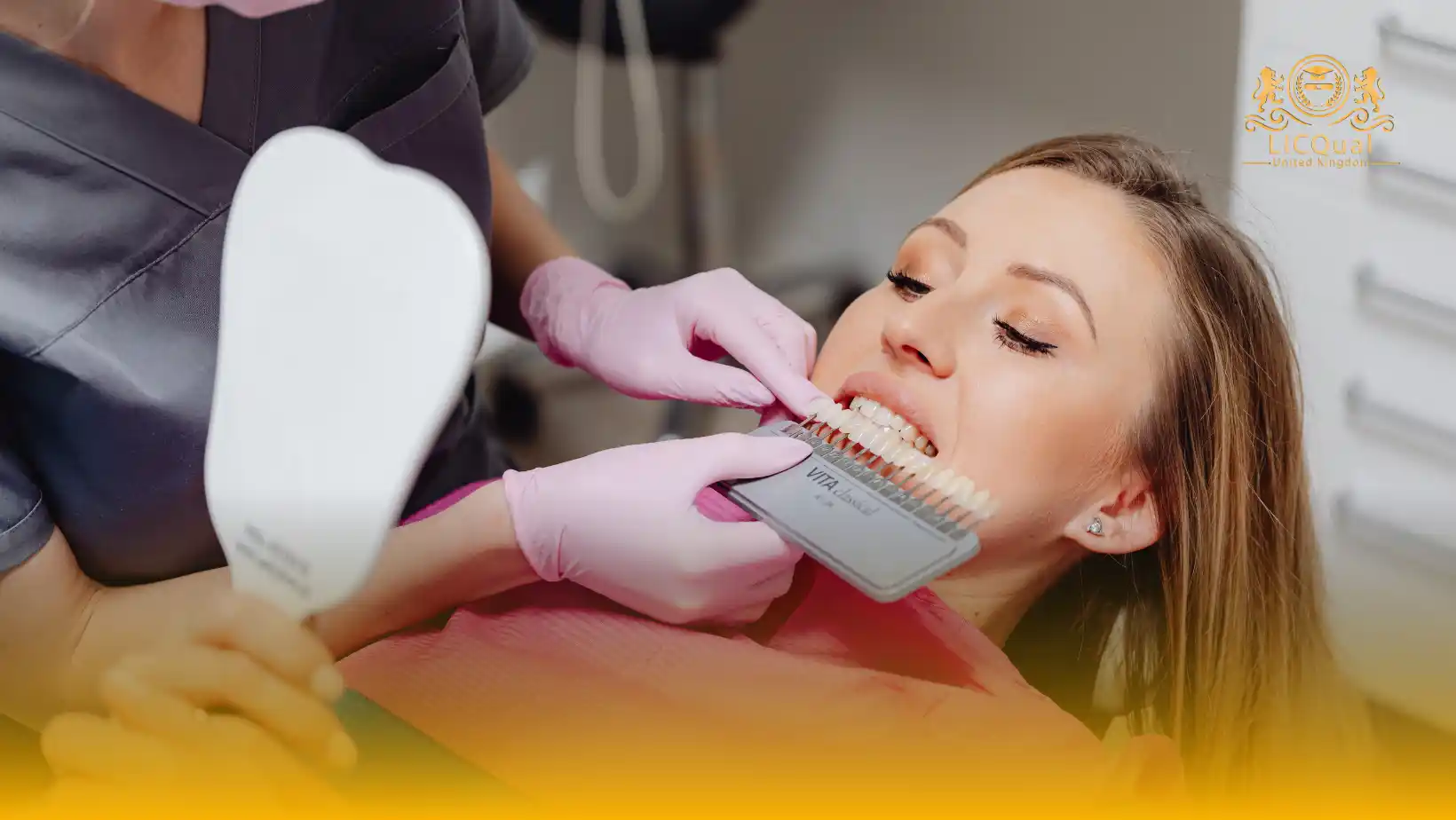
The LICQual Level 7 Postgraduate Diploma in Prosthodontics (PgD Prosthodontics) is a prestigious and advanced qualification designed for dental professionals who aim to specialise in the restoration and replacement of teeth using the latest prosthodontic techniques. This programme provides learners with the theoretical knowledge, clinical expertise, and critical thinking skills required to excel in this highly specialised area of dentistry.
This postgraduate qualification is not intended for fresh candidates. Instead, it is tailored for experienced dental practitioners who wish to elevate their expertise, expand their clinical capabilities, and enhance their career opportunities in both private practice and hospital-based settings. It is also ideal for professionals seeking to strengthen their portfolio for teaching, consultancy, or leadership roles in the field of prosthodontics.
Through a blend of advanced theoretical modules, practical case studies, and evidence-based learning, learners will explore topics such as fixed and removable prosthodontics, implant-supported restorations, occlusion management, digital dentistry applications, and advanced aesthetic techniques. The course also emphasises patient-centred care, treatment planning, and interdisciplinary collaboration to achieve optimal functional and aesthetic outcomes.
By completing this diploma, learners will not only refine their technical skills but also demonstrate their commitment to Continuing Professional Development (CPD), ensuring they remain at the forefront of innovations in prosthodontic treatment. This qualification empowers dental professionals to deliver exceptional restorative care, improve patient satisfaction, and advance their professional reputation in a competitive and evolving healthcare landscape.
Course Overview
Qualification Title
LICQual Level 7 Postgraduate Diploma in Prosthodontics (PgD Prosthodontics)
Total Units
6
Total Credits
120
GLH
600
Qualification #
LICQ2200691
Qualification Specification
To enroll in the LICQual Level 7 Postgraduate Diploma in Prosthodontics (PgD Prosthodontics), applicants must meet the following criteria:
|
Qualification# |
Unit Title |
Credits |
GLH |
|---|---|---|---|
|
LICQ2200691-1 |
Foundations of Prosthodontic Science and Occlusion |
20 |
100 |
|
LICQ2200691-2 |
Diagnosis, Treatment Planning, and Case Selection in Prosthodontics |
20 |
100 |
|
LICQ2200691-3 |
Fixed Prosthodontics: Crowns, Bridges, and Implant-Supported Restorations |
20 |
100 |
|
LICQ2200691-4 |
Removable Prosthodontics: Complete and Partial Dentures |
20 |
100 |
|
LICQ2200691-5 |
Advanced Aesthetics, Digital Prosthodontics, and Functional Rehabilitation |
20 |
100 |
|
LICQ2200691-6 |
Clinical Case Management, Evidence-Based Practice, and Professional Ethics in Prosthodontics |
20 |
100 |
By the end of this course, learners will be able to:
1. Foundations of Prosthodontic Science and Occlusion
- Demonstrate an advanced understanding of prosthodontic principles, including biomechanics, dental materials, and occlusal concepts.
- Analyse the relationship between occlusion and oral function in various prosthodontic cases.
- Apply scientific knowledge to support evidence-based prosthodontic treatment planning.
2. Diagnosis, Treatment Planning, and Case Selection in Prosthodontics
- Conduct comprehensive patient assessments, including medical, dental, and radiographic evaluations.
- Formulate effective treatment plans based on patient needs, oral health conditions, and functional requirements.
- Evaluate case complexity to determine appropriate prosthodontic interventions.
3. Fixed Prosthodontics: Crowns, Bridges, and Implant-Supported Restorations
- Apply advanced clinical techniques for the preparation and placement of fixed prosthodontic restorations.
- Integrate implant-supported solutions into treatment plans where clinically indicated.
- Assess functional and aesthetic outcomes of fixed prosthodontic treatments.
4. Removable Prosthodontics: Complete and Partial Dentures
- Design and fabricate removable prosthodontic appliances with optimal retention, stability, and comfort.
- Adapt prosthodontic solutions to meet the functional and aesthetic needs of diverse patient groups.
- Implement strategies for troubleshooting and adjusting removable prostheses.
5. Advanced Aesthetics, Digital Prosthodontics, and Functional Rehabilitation
- Employ advanced digital technologies in prosthodontic planning and fabrication.
- Integrate aesthetic principles into restorative and rehabilitative treatment designs.
- Evaluate patient outcomes in terms of function, comfort, and visual harmony.
6. Clinical Case Management, Evidence-Based Practice, and Professional Ethics in Prosthodontics
- Manage complex clinical prosthodontic cases with a multidisciplinary approach.
- Critically appraise research to inform and enhance clinical decision-making.
- Uphold ethical and professional standards in all aspects of prosthodontic practice.
The LICQual Level 7 Postgraduate Diploma in Prosthodontics (PgD Prosthodontics) is designed for dental professionals and specialists who wish to advance their expertise in restorative and prosthetic dentistry. This program is ideal for those aiming to enhance clinical precision, integrate modern prosthodontic techniques, and achieve international recognition. Whether you are a general dentist, a prosthodontist, or a professional seeking academic and research opportunities, this Level 7 Postgraduate Diploma in Prosthodontics equips you with the skills and credentials needed to excel in advanced dental practice.
1. General Dentists Seeking Advanced Prosthodontic Skills
- Master complex restorative and aesthetic procedures.
- Learn full-mouth rehabilitation techniques.
- Gain confidence in managing challenging clinical cases.
- Understand modern prosthodontic materials and applications.
- Improve patient outcomes with evidence-based approaches.
- Expand professional scope with an accredited Level 7 qualification.
2. Prosthodontists Expanding Expertise
- Refine skills in implant-supported restorations.
- Learn advanced occlusion and bite management techniques.
- Develop expertise in aesthetic and functional rehabilitation.
- Incorporate digital dentistry and CAD/CAM workflows.
- Gain hands-on experience with complex prosthodontic cases.
- Strengthen professional recognition in the field of prosthodontics.
3. Dental Specialists Seeking Career Progression
- Enhance qualifications for leadership roles in dental clinics.
- Acquire knowledge in advanced prosthodontic and restorative procedures.
- Learn evidence-based treatment planning and decision-making.
- Improve patient communication and case documentation.
- Increase employability with an internationally recognized diploma.
- Develop multidisciplinary collaboration skills.
4. Dental Graduates Building Clinical Competence
- Gain advanced knowledge in prosthetic rehabilitation.
- Learn practical skills under expert supervision.
- Understand full treatment planning from assessment to delivery.
- Develop confidence in complex restorative procedures.
- Prepare for specialist or postgraduate roles.
- Strengthen clinical problem-solving and critical thinking.
5. Academic and Research-Oriented Professionals
- Pursue research in prosthodontics and restorative dentistry.
- Develop skills in academic writing and clinical research.
- Learn to critically evaluate scientific literature.
- Prepare for teaching roles in dental education.
- Gain exposure to innovations in prosthodontics.
- Contribute to global knowledge and best practices.
6. International Dental Professionals
- Earn a globally recognized Level 7 prosthodontics diploma.
- Learn international clinical standards and protocols.
- Access flexible distance or blended learning options.
- Enhance eligibility for advanced clinical positions worldwide.
- Join a global network of dental professionals and mentors.
- Improve career mobility and professional recognition.
7. Dental Clinic Owners and Managers
- Introduce advanced prosthodontic services in your clinic.
- Mentor team members in modern prosthodontic techniques.
- Increase clinic reputation with specialist offerings.
- Improve patient satisfaction through high-quality restorations.
- Expand service portfolio and revenue opportunities.
- Position the clinic as a center for advanced prosthodontic care.
To deliver the LICQual Level 7 Postgraduate Diploma in Prosthodontics (PgD Prosthodontics) effectively and in line with the awarding body’s quality standards, approved centres must meet the following requirements:
- Qualified and Experienced Faculty
- Tutors, trainers, and assessors must hold a recognised dental degree and relevant postgraduate qualification in prosthodontics or restorative dentistry.
- A minimum of five years’ clinical and teaching experience in prosthodontics is essential.
- Faculty must maintain up-to-date CPD records and demonstrate current knowledge of advancements in prosthodontic practice.
- Clinical Training Facilities
- Access to a fully equipped dental clinic or simulation laboratory for practical training.
- Availability of dental chairs, diagnostic tools, prosthodontic instruments, and materials for fixed, removable, and implant-supported prostheses.
- Facilities must comply with all relevant health, safety, and infection control regulations.
- Learning Resources
- Comprehensive library or digital access to current research, academic journals, and reference materials related to prosthodontics.
- Access to case studies, clinical videos, and advanced treatment planning software.
- Assessment and Quality Assurance
- Systems for monitoring learner progress through formative and summative assessments.
- Internal verification procedures to ensure fairness, consistency, and compliance with awarding body requirements.
- Administrative and Learner Support
- Dedicated administrative staff to manage learner records, assessment submissions, and communication.
- Academic and pastoral support to guide learners in both theoretical and clinical aspects of the programme.
- Technology and Online Learning Capability
- Facilities for blended or online learning delivery, including virtual classrooms, secure learning platforms, and video conferencing tools for tutorials and assessments.
Assessment and Verification
All units within this qualification are subject to internal assessment by the approved centre and external verification by LICQual. The qualification follows a criterion-referenced assessment approach, ensuring that learners meet all specified learning outcomes.
To achieve a ‘Pass’ in any unit, learners must provide valid, sufficient, and authentic evidence demonstrating their attainment of all learning outcomes and compliance with the prescribed assessment criteria. The Assessor is responsible for evaluating the evidence and determining whether the learner has successfully met the required standards.
Assessors must maintain a clear and comprehensive audit trail, documenting the basis for their assessment decisions to ensure transparency, consistency, and compliance with quality assurance requirements.