
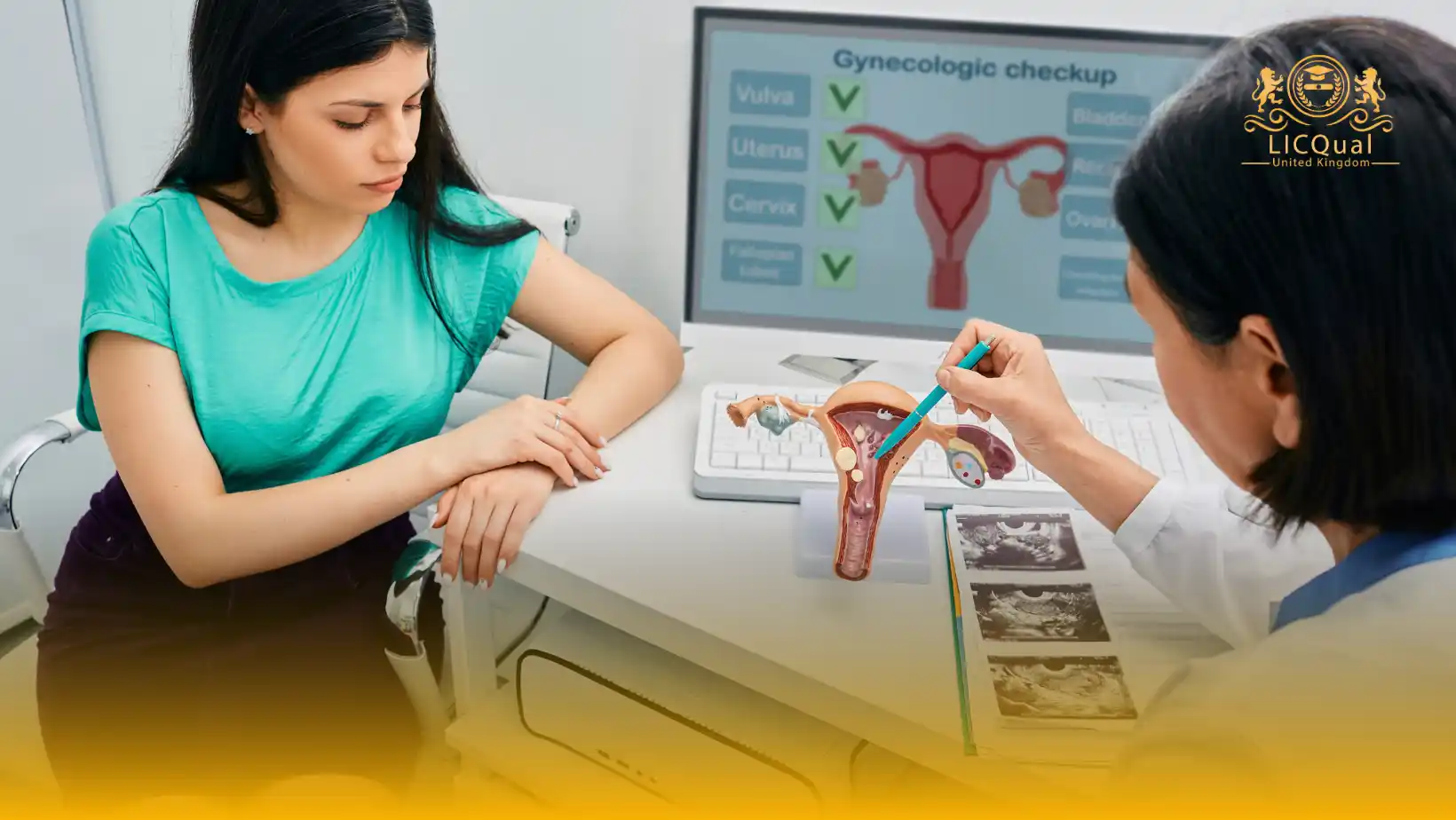
Reproductive Endocrinology and Infertility
The LICQual Level 6 Diploma in Reproductive Endocrinology and Infertility (Dip REI) is a professionally structured qualification designed for learners aiming to build expertise in reproductive health, fertility science, and assisted reproductive technologies. This advanced-level programme introduces learners to the clinical and scientific foundations of reproductive endocrinology, covering key areas such as hormonal regulation, fertility assessment, and modern treatment approaches used in infertility care.
This diploma in reproductive medicine provides a comprehensive understanding of infertility diagnosis, IVF procedures, and patient-centred fertility treatments. Learners will gain essential knowledge related to assisted reproductive technology (ART), in vitro fertilisation (IVF), and reproductive system disorders, making it an ideal diploma in IVF and reproductive medicine for those looking to develop specialised healthcare skills. The course also supports career progression by offering practical insights into infertility management, making it a valuable diploma in infertility for professionals and aspiring specialists.
Aligned with international standards and structured at Level 6, this qualification prepares learners for real-world clinical environments and advanced roles within the healthcare sector. Whether you aim to enhance your existing medical knowledge or begin a focused pathway in fertility care, this reproductive endocrinology diploma equips you with the relevant skills, theoretical understanding, and career direction needed to succeed in this specialised field.
Course Overview
Qualification Title
LICQual Level 6 Diploma in Reproductive Endocrinology and Infertility (Dip REI)
Total Units
6
Total Credits
120
GLH
480
Qualification #
LICQ2200951
Qualification Specification
To enroll in the LICQual Level 6 Diploma in Reproductive Endocrinology and Infertility (Dip REI), applicants must meet the following criteria:
|
Qualification# |
Unit Title |
Credits |
GLH |
|---|---|---|---|
|
LICQ2200951-1 |
Foundations of Reproductive Endocrinology |
20 |
80 |
|
LICQ2200951-2 |
Assessment and Diagnosis of Infertility |
20 |
80 |
|
LICQ2200951-3 |
Assisted Reproductive Technologies (ART) and Clinical Interventions |
20 |
80 |
|
LICQ2200951-4 |
Reproductive Surgery and Therapeutic Interventions |
20 |
80 |
|
LICQ2200951-5 |
Research, Evidence-Based Practice, and Innovation in Reproductive Medicine |
20 |
80 |
|
LICQ2200951-6 |
Professional Practice and Continuing Development in Reproductive Medicine |
20 |
80 |
By the end of this course, learners will be able to:
Unit 1: Foundations of Reproductive Endocrinology
By the end of this unit, learners will be able to:
- Critically evaluate the physiological and hormonal regulation of the reproductive system.
- Analyse normal reproductive function and identify common endocrine disorders affecting fertility.
- Demonstrate understanding of ethical, legal, and professional considerations in reproductive endocrinology.
- Assess the contribution of reproductive endocrinology to improving fertility outcomes and patient care.
Unit 2: Assessment and Diagnosis of Infertility
By the end of this unit, learners will be able to:
- Conduct comprehensive fertility assessments for both male and female patients.
- Interpret hormonal, imaging, and laboratory findings to inform diagnostic decisions.
- Identify underlying causes of infertility and associated comorbidities.
- Apply critical thinking to develop personalised treatment plans based on assessment outcomes.
Unit 3: Assisted Reproductive Technologies (ART) and Clinical Interventions
By the end of this unit, learners will be able to:
- Critically appraise ART procedures including IVF, ICSI, and embryo transfer.
- Evaluate ovulation induction, controlled ovarian stimulation, and sperm retrieval techniques.
- Apply evidence-based practices to optimise ART outcomes and ensure patient safety.
- Demonstrate understanding of laboratory and clinical management of gametes and embryos.
Unit 4: Reproductive Surgery and Therapeutic Interventions
By the end of this unit, learners will be able to:
- Assess the role and application of surgical procedures in infertility management.
- Evaluate minimally invasive and advanced surgical techniques in reproductive care.
- Apply preoperative and postoperative management strategies to improve patient outcomes.
- Integrate patient-centred care principles into surgical fertility interventions.
Unit 5: Research, Evidence-Based Practice, and Innovation in Reproductive Medicine
By the end of this unit, learners will be able to:
- Critically analyse contemporary research and emerging trends in reproductive endocrinology and infertility.
- Design and evaluate clinical audits, outcome measures, and quality improvement projects.
- Apply evidence-based practice to enhance clinical decision-making and patient care.
- Utilise research findings to inform policy, innovation, and practice improvements in reproductive medicine.
Unit 6: Professional Practice and Continuing Development in Reproductive Medicine
By the end of this unit, learners will be able to:
- Demonstrate professionalism, ethical responsibility, and governance in reproductive healthcare.
- Apply leadership and management skills within fertility clinics and reproductive teams.
- Engage in Continuing Professional Development (CPD) to maintain professional competence.
- Implement reflective practice strategies to evaluate performance and enhance patient outcomes.
This Course is ideal for:
To deliver the LICQual Level 6 Diploma in Reproductive Endocrinology and Infertility effectively, centres must uphold high standards of professional expertise, facilities, and learning resources. The following requirements are essential:
- Qualified and Competent Staff: Centres must employ experienced clinicians, gynaecologists, endocrinologists, fertility specialists, and healthcare professionals with recognised qualifications. Staff should be capable of delivering both theoretical knowledge and practical clinical guidance.
- Comprehensive Learning Resources: Centres should provide learners with access to up-to-date textbooks, research publications, clinical guidelines, case studies, and digital learning platforms to support evidence-based practice and advanced learning.
- Clinical and Laboratory Facilities: Centres must ensure access to fully equipped fertility clinics, laboratories, diagnostic tools, and simulation facilities to enable learners to practice assessments, interventions, and assisted reproductive technologies (ART).
- Assessment and Evaluation Systems: Centres must implement robust systems for learner assessment, practical evaluations, feedback, and progression tracking to ensure all learners achieve the required competency standards.
- Health and Safety Compliance: Centres are required to adhere to all relevant health, safety, and regulatory standards, providing a safe and professional learning environment for all learners.
- Support for Continuing Professional Development (CPD): Centres should actively support learners in CPD activities, reflective practice, and ongoing professional development in reproductive endocrinology and infertility.
Meeting these requirements ensures that learners receive a high-quality, professional, and engaging learning experience, equipping them with the knowledge, skills, and confidence to succeed in advanced clinical, research, and leadership roles within reproductive medicine and fertility care.
Assessment and Verification
All units within this qualification are subject to internal assessment by the approved centre and external verification by LICQual. The qualification follows a criterion-referenced assessment approach, ensuring that learners meet all specified learning outcomes.
To achieve a ‘Pass’ in any unit, learners must provide valid, sufficient, and authentic evidence demonstrating their attainment of all learning outcomes and compliance with the prescribed assessment criteria. The Assessor is responsible for evaluating the evidence and determining whether the learner has successfully met the required standards.
Assessors must maintain a clear and comprehensive audit trail, documenting the basis for their assessment decisions to ensure transparency, consistency, and compliance with quality assurance requirements.