Energy Management System
The LICQual ISO 14001:2026 EMS (Energy Management System) Transition Foundation Course is a structured and practical program designed to support learners in understanding the key updates from ISO 14001:2015 to the latest ISO 14001:2026 standard. This ISO 14001:2026 EMS Transition Foundation Course provides a clear framework for upgrading an existing Environmental Management System (EMS) in line with new compliance, governance, and sustainability requirements.
This ISO 14001:2026 Energy Management System Course explains the revised clauses, updated terminology, and strengthened risk-based thinking introduced in the 2026 version. Learners gain foundational knowledge required for ISO 14001:2026 EMS Transition Training, including gap analysis, documented information updates, lifecycle perspective refinement, and alignment with strategic environmental objectives.
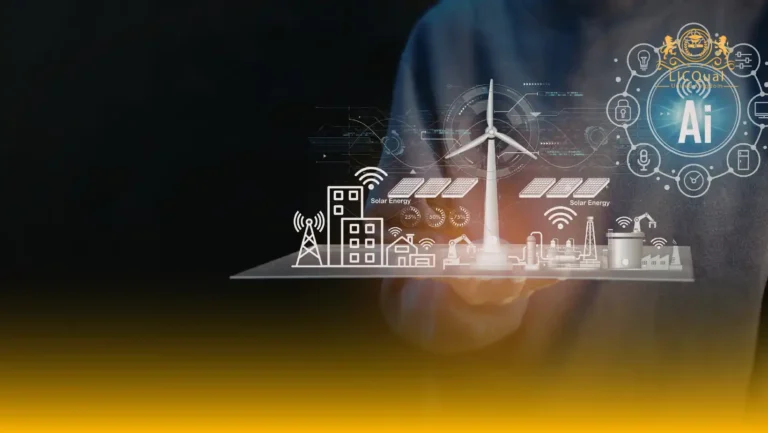
The course integrates modern AI applications and digital environmental management tools to enhance monitoring, reporting, and performance tracking. Through digital dashboards, data analytics, and AI-supported compliance systems, learners understand how technology strengthens EMS implementation and continuous improvement.
As a comprehensive EMS Transition Foundation Certification, this program ensures that learners develop clarity on ISO 14001:2026 compliance expectations while building confidence in managing Environmental Management System upgrades. The LICQual ISO 14001 EMS Training 2026 pathway establishes a strong foundation for advanced implementation and long-term environmental performance excellence.
Course Overview
Qualification Title
LICQual ISO 14001:2026 EMS (Energy Management System) Transition Foundation Course
Total Units
6
Total Credits
40
GLH
120
Qualification #
LICQ2200436
Qualification Specification
To enroll in the LICQual ISO 14001:2026 EMS (Energy Management System) Transition Foundation Course applicants must meet the following criteria:
|
Qualification# |
Unit Title |
Credits |
GLH |
|---|---|---|---|
|
LICQ2200436-1 |
Overview of ISO 14001:2026 Revision & Strategic Drivers |
8 |
24 |
|
LICQ2200435-2 |
Transition Planning & Organizational Readiness |
8 |
24 |
|
LICQ2200436-3 |
Evolving Context & Stakeholder Expectations |
6 |
18 |
|
LICQ2200436-4 |
Updated Environmental Risk & Lifecycle Thinking |
6 |
18 |
|
LICQ2200436-5 |
Digital EMS Platforms & AI-Supported Transition Tools |
6 |
18 |
|
LICQ2200436-6 |
Compliance Assurance & Post-Transition Improvement |
6 |
18 |
By the end of this course, Applicants will be able to:
Overview of ISO 14001:2026 Revision & Strategic Drivers
- Explain the key changes between ISO 14001:2015 and ISO 14001:2026 standards.
- Identify the strategic drivers influencing the ISO 14001:2026 revision.
- Interpret updated clauses, terminology, and structural modifications in the EMS framework.
- Analyze the impact of global sustainability trends on Environmental Management Systems.
- Examine risk-based thinking enhancements within ISO 14001:2026.
- Evaluate how strategic environmental objectives align with revised compliance requirements.
Transition Planning & Organizational Readiness
- Develop a structured transition plan from ISO 14001:2015 to ISO 14001:2026.
- Conduct a gap analysis to identify areas requiring system updates.
- Assess organizational readiness for EMS transition implementation.
- Define roles, responsibilities, and leadership accountability during transition.
- Establish measurable transition milestones and performance indicators.
- Apply digital planning tools to monitor EMS transition progress effectively.
Evolving Context & Stakeholder Expectations
- Analyze internal and external context affecting EMS performance.
- Identify evolving stakeholder expectations under ISO 14001:2026.
- Integrate sustainability priorities into EMS strategic planning.
- Evaluate legal and regulatory updates impacting environmental compliance.
- Strengthen communication processes for stakeholder engagement.
- Align EMS objectives with corporate governance and ESG commitments.
Updated Environmental Risk & Lifecycle Thinking
- Identify environmental risks and opportunities under the updated standard.
- Apply lifecycle perspective principles to products and services.
- Evaluate environmental aspects using enhanced risk assessment methodologies.
- Prioritize mitigation controls based on environmental impact significance.
- Integrate environmental risk management into operational processes.
- Recommend improvements based on lifecycle and environmental data analysis.
Digital EMS Platforms & AI-Supported Transition Tools
- Explain the role of digital EMS platforms in ISO 14001:2026 implementation.
- Utilize AI-supported tools for environmental monitoring and reporting.
- Interpret environmental performance data using digital dashboards.
- Apply predictive analytics to enhance environmental risk management.
- Strengthen documentation control using automated EMS systems.
- Evaluate the benefits of AI-driven compliance tracking and audit preparation.
Compliance Assurance & Post-Transition Improvement
- Verify compliance with ISO 14001:2026 requirements after transition.
- Conduct internal audits aligned with updated EMS standards.
- Implement corrective and preventive actions based on audit findings.
- Measure EMS effectiveness using performance evaluation metrics.
- Develop continual improvement strategies aligned with environmental objectives.
- Utilize digital reporting systems to sustain long-term EMS compliance and performance.
The LICQual ISO 14001:2026 EMS (Energy Management System) Transition Foundation Course is designed for individuals seeking structured knowledge of ISO 14001:2026 EMS transition requirements and updated compliance frameworks. This course is suitable for:
- Learners who have completed ISO 14001:2015 and require formal ISO 14001:2026 EMS Transition Training.
- Environmental management professionals preparing for ISO 14001:2026 EMS Foundation Certification.
- Individuals responsible for supporting Environmental Management System upgrades.
- Learners involved in sustainability, compliance, and environmental governance functions.
- Professionals seeking foundational knowledge of ISO 14001:2026 Energy Management System updates.
- EMS coordinators assisting with gap analysis and transition planning activities.
- Compliance officers monitoring environmental regulatory alignment and documentation updates.
- Sustainability executives aligning EMS systems with ESG and corporate responsibility objectives.
- Quality and environmental team members supporting ISO 14001:2026 implementation processes.
- Consultants preparing to guide organizations through EMS ISO 14001:2015 to 2026 transition.
- Professionals aiming to understand digital EMS platforms and AI-supported compliance tools.
- Operational managers responsible for environmental risk and lifecycle impact monitoring.
- Individuals seeking to strengthen career progression through ISO 14001:2026 Foundation Course credentials.
- Team members involved in internal audits and post-transition compliance verification.
- Learners pursuing structured knowledge before advancing to ISO 14001:2026 Lead Implementer training.
Assessment and Verification
All units within this qualification are subject to internal assessment by the approved centre and external verification by LICQual. The qualification follows a criterion-referenced assessment approach, ensuring that learners meet all specified learning outcomes.
To achieve a ‘Pass’ in any unit, learners must provide valid, sufficient, and authentic evidence demonstrating their attainment of all learning outcomes and compliance with the prescribed assessment criteria. The Assessor is responsible for evaluating the evidence and determining whether the learner has successfully met the required standards.
Assessors must maintain a clear and comprehensive audit trail, documenting the basis for their assessment decisions to ensure transparency, consistency, and compliance with quality assurance requirements.