ISOFIX Child Seats for Cars Lead Auditor
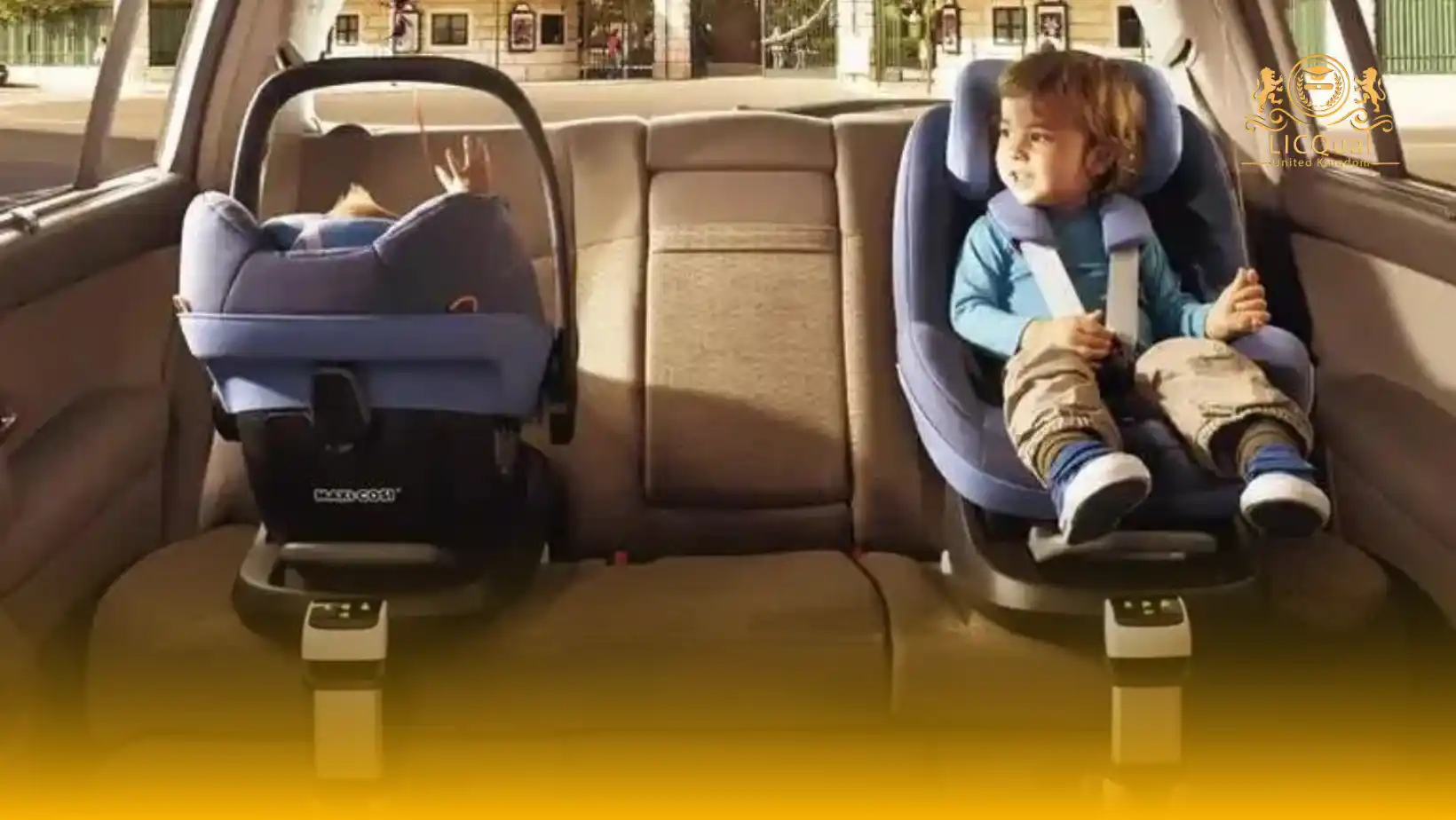
The LICQual ISO 13216 ISOFIX Child Seats for Cars Lead Auditorcourse is a specialized program designed to equip learners with advanced knowledge and practical skills in child seat safety standards for vehicles. Learners gain a thorough understanding of ISO 13216, the internationally recognized standard governing the ISOFIX child seat attachment system. This course enables learners to assess, audit, and ensure compliance with safety and quality standards for child seats used in cars.
Through a combination of theoretical instruction, practical case studies, and expert-led guidance, learners explore the design, installation, testing, and regulatory requirements of ISOFIX child seats. Learners develop the skills to perform comprehensive audits, interpret relevant regulations, and apply international safety standards effectively.
By completing this program, learners acquire the expertise to become certified Lead Auditors for ISO 13216, supporting vehicle safety initiatives and contributing to the protection of children worldwide. The course provides learners with a structured, hands-on approach to mastering ISOFIX compliance and auditing practices.
Course Overview
Qualification Title
LICQual ISO 13216 ISOFIX Child Seats for Cars Lead Auditor
Total Units
6
Total Credits
40
GLH
120
Qualification #
LICQ2200101
Qualification Specification
To enroll in the LICQual ISO 13216 ISOFIX Child Seats for Cars Lead Auditor, applicants must meet the following criteria:
|
Qualification# |
Unit Title |
Credits |
GLH |
|---|---|---|---|
|
LICQ2200101-1 |
Introduction to ISO 13216 and ISOFIX Systems |
8 |
24 |
|
LICQ2200101-2 |
ISO 13216 Standard Requirements and Application |
8 |
24 |
|
LICQ2200101-3 |
Lead Auditor Role and ISO Audit Process |
6 |
18 |
|
LICQ2200101-4 |
Regulatory Compliance and Certification for ISOFIX Child Seats |
6 |
18 |
|
LICQ2200101-5 |
Risk Management and Non-Conformance in ISOFIX Systems |
6 |
18 |
|
LICQ2200101-6 |
Continuous Improvement and Best Practices in Child Seat Safety |
6 |
18 |
By the end of this course, learners will be able to:
Introduction to ISO 13216 and ISOFIX Systems
- Understand the history, significance, and global impact of the ISOFIX system.
- Identify the key components and benefits of ISO 13216 for child seat safety in cars.
- Explain the role of ISOFIX child seats in improving child safety during vehicle travel.
- Demonstrate an understanding of the global adoption and implementation of ISOFIX standards in automotive safety.
ISO 13216 Standard Requirements and Application
- Interpret the key clauses and technical specifications of ISO 13216.
- Understand the application of ISOFIX standards to different types of child safety seats.
- Assess the installation guidelines, safety performance, and testing criteria outlined in ISO 13216.
- Apply ISO 13216 standards to evaluate the compliance of child seats with required safety measures.
Lead Auditor Role and ISO Audit Process
- Define the responsibilities and roles of a lead auditor in ISO 13216 compliance audits.
- Plan, execute, and report on audits for ISOFIX child seat manufacturers and suppliers.
- Prepare and use audit checklists, audit documents, and procedures specific to ISOFIX systems.
- Conduct on-site audits and assess the conformity of ISOFIX child seats to relevant safety and quality standards.
Regulatory Compliance and Certification for ISOFIX Child Seats
- Understand the regulatory landscape for child seat safety and ISOFIX system compliance.
- Navigate national and international regulatory requirements for child seats in vehicles.
- Describe the certification processes required for ISOFIX child seat manufacturers.
- Assess how different regulatory bodies impact the safety standards and certifications for child seats.
Risk Management and Non-Conformance in ISOFIX Systems
- Identify potential risks and hazards associated with ISOFIX child seats and their installation.
- Conduct root cause analysis to address non-conformances and safety issues.
- Implement corrective actions to mitigate risks and improve product safety.
- Evaluate product performance to ensure ongoing compliance with ISO 13216 and other safety standards.
Continuous Improvement and Best Practices in Child Seat Safety
- Apply continuous improvement strategies to enhance child seat safety and ISOFIX system effectiveness.
- Identify industry best practices for maintaining high-quality standards in child seat design and manufacturing.
- Integrate feedback mechanisms and audit results to ensure ongoing regulatory compliance and safety.
- Stay informed about evolving standards and best practices in child seat safety and automotive industry innovations.
This diploma is ideal for:
Assessment and Verification
All units within this qualification are subject to internal assessment by the approved centre and external verification by LICQual. The qualification follows a criterion-referenced assessment approach, ensuring that learners meet all specified learning outcomes.
To achieve a ‘Pass’ in any unit, learners must provide valid, sufficient, and authentic evidence demonstrating their attainment of all learning outcomes and compliance with the prescribed assessment criteria. The Assessor is responsible for evaluating the evidence and determining whether the learner has successfully met the required standards.
Assessors must maintain a clear and comprehensive audit trail, documenting the basis for their assessment decisions to ensure transparency, consistency, and compliance with quality assurance requirements.