
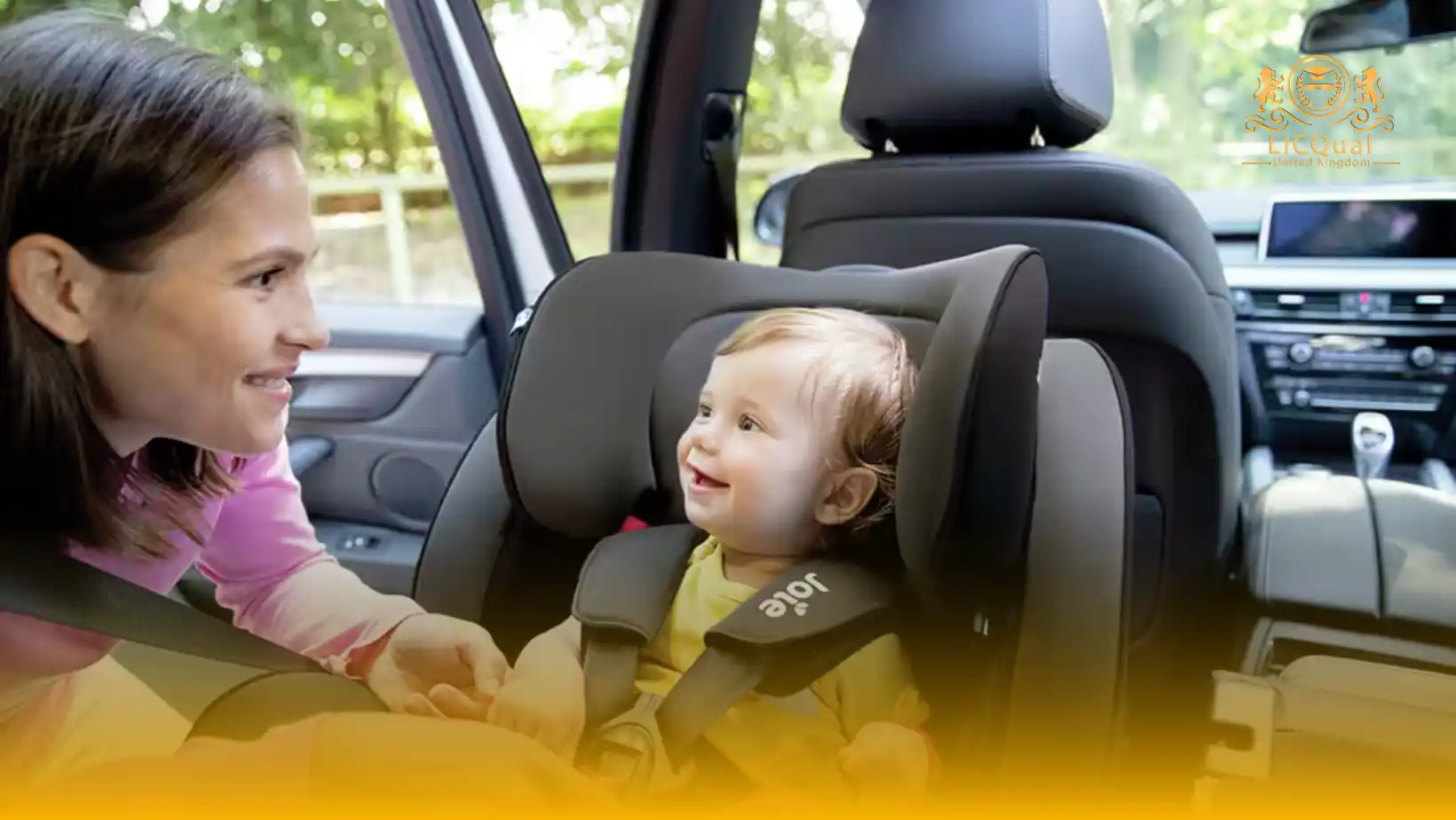
ISOFIX Child Seats for Cars
The LICQual ISO 13216 ISOFIX Child Seats for Cars Internal Auditor course equips learners with the knowledge and skills to assess and audit child seat safety standards in compliance with ISO 13216. Learners will gain a comprehensive understanding of the internationally recognized requirements for ISOFIX child seats, covering design, performance, and installation criteria to ensure maximum safety and quality in automotive environments.
Through this course, learners will explore the auditing process in detail, acquiring practical skills to plan, conduct, and report internal audits, identify non-conformities, and recommend corrective actions for compliance improvement. Learners will also examine the technical specifications, regulatory requirements, and best practices essential for maintaining the safety and performance of ISOFIX child seats.
By completing the program, learners will be proficient in evaluating product quality, safety, and performance, applying ISO 13216 standards to internal audits, and supporting organizations in enhancing child seat safety, regulatory compliance, and overall product reliability.
Course Overview
Qualification Title
LICQual ISO 13216 ISOFIX Child Seats for Cars
Total Units
6
Total Credits
40
GLH
120
Qualification #
LICQ2200114
Qualification Specification
To enrol in the LICQual ISO 13216 ISOFIX Child Seats for Cars Internal Auditor, applicants must meet the following criteria:
|
Qualification# |
Unit Title |
Credits |
GLH |
|---|---|---|---|
|
LICQ2200114-1 |
Introduction to ISO 13216 and ISOFIX Child Seat Standards |
8 |
24 |
|
LICQ2200114-2 |
Child Seat Design and Performance Requirements |
8 |
24 |
|
LICQ2200114-3 |
ISOFIX System: Installation and Compatibility |
6 |
18 |
|
LICQ2200114-4 |
Auditing and Compliance with ISO 13216 |
6 |
18 |
|
LICQ2200114-5 |
Safety Testing and Evaluation of Child Seats |
6 |
18 |
|
LICQ2200114-6 |
Continual Improvement and Best Practices in Child Seat Safety |
6 |
18 |
By the end of this course, learners will be able to:
1. Introduction to ISO 13216 and ISOFIX Child Seat Standards
- Demonstrate a clear understanding of the ISO 13216 standard and its importance in ensuring child seat safety in cars.
- Identify the key components of the ISOFIX system and explain their relevance to child seat safety.
- Recognize the regulatory framework and requirements for ISOFIX child seats across different regions and markets.
2. Child Seat Design and Performance Requirements
- Understand the technical design specifications required for ISOFIX child seats, focusing on safety and durability.
- Identify the performance criteria for child seats, including crashworthiness, harness systems, and seat protection.
- Apply the design and performance requirements to ensure child seats meet safety and regulatory standards.
3. ISOFIX System: Installation and Compatibility
- Explain the function and importance of the ISOFIX system in securing child seats safely within vehicles.
- Assess the compatibility of ISOFIX child seats with various car models and ensure proper installation procedures are followed.
- Identify potential installation challenges and develop solutions for ensuring secure and correct installation.
4. Auditing and Compliance with ISO 13216
- Develop the skills to conduct internal audits to assess ISO 13216 compliance in child seat manufacturing processes.
- Identify and document non-conformities, and implement corrective actions to ensure compliance with ISOFIX standards.
- Understand the audit process and regulatory requirements for ISOFIX child seat certification and market acceptance.
5. Safety Testing and Evaluation of Child Seats
- Learn how to conduct various safety tests, such as crash tests, impact tests, and harness system evaluations.
- Analyze test results to determine the effectiveness and safety of ISOFIX child seats in different crash scenarios.
- Ensure that child seat products meet the necessary safety standards by evaluating their performance against ISO 13216 criteria.
6. Continual Improvement and Best Practices in Child Seat Safety
- Develop strategies for continuous improvement in the design, manufacturing, and safety of ISOFIX child seats.
- Implement best practices for improving product quality, ensuring compliance, and maintaining child seat safety standards.
- Foster innovation within child seat manufacturing to meet evolving safety standards and market demands.
This diploma is ideal for:
Assessment and Verification
All units within this qualification are subject to internal assessment by the approved centre and external verification by LICQual. The qualification follows a criterion-referenced assessment approach, ensuring that learners meet all specified learning outcomes.
To achieve a ‘Pass’ in any unit, learners must provide valid, sufficient, and authentic evidence demonstrating their attainment of all learning outcomes and compliance with the prescribed assessment criteria. The Assessor is responsible for evaluating the evidence and determining whether the learner has successfully met the required standards.
Assessors must maintain a clear and comprehensive audit trail, documenting the basis for their assessment decisions to ensure transparency, consistency, and compliance with quality assurance requirements.